> For the complete documentation index, see [llms.txt](https://documentation.astera.com/llms.txt). Markdown versions of documentation pages are available by appending `.md` to page URLs; this page is available as [Markdown](https://documentation.astera.com/api-flow/api-consumption/consume/support-for-text-xml-and-soap-protocol.md).
# Support for text/XML and SOAP Protocol
The API Client now supports the text/xml content type, allowing for seamless integration of XML-based data into API requests and responses. This enhancement enables users to effectively interact with APIs that require XML-formatted data or supply XML responses.
To use the text/xml content type in the Astera Client, you can now send and retrieve data in XML format. This content type allows you to exchange data using XML-based representations.
XML, being a widely adopted format for hierarchical data structuring, supplies a standardized approach for representing and exchanging information between various systems. With the text-xml content type in the API Client, users can make SOAP API requests in integration flows.
### Use Case
To start, let’s make an API request using text/xml content type in the API Client, which allows you to send and retrieve data in XML format.
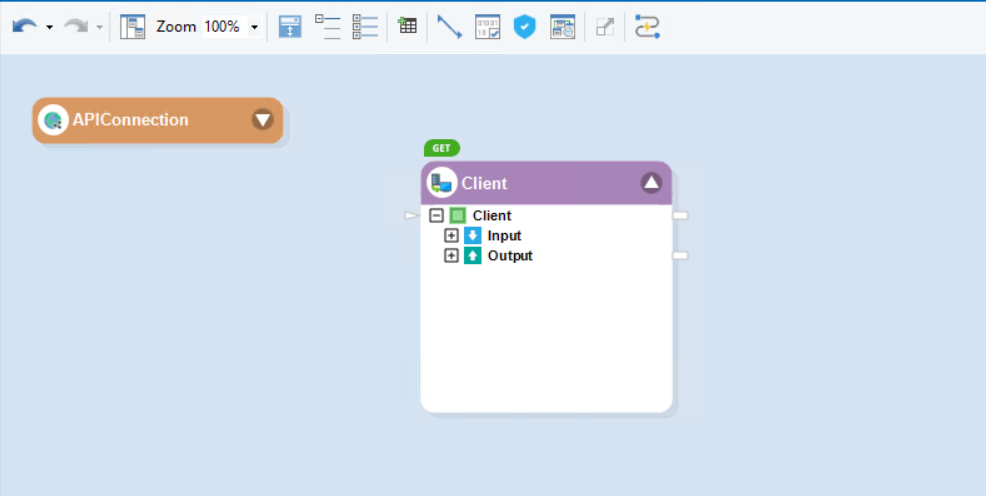
1. To start, drag-and-drop the *API Connection* and *API Client* objects onto the Dataflow.
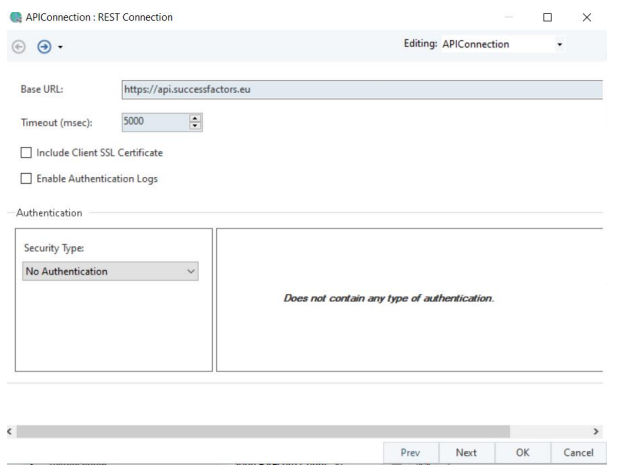
2. Configure the *API Connection* with the *Base URL* and *Authentication*.
We are calling a SAP Success Factor API as an example.
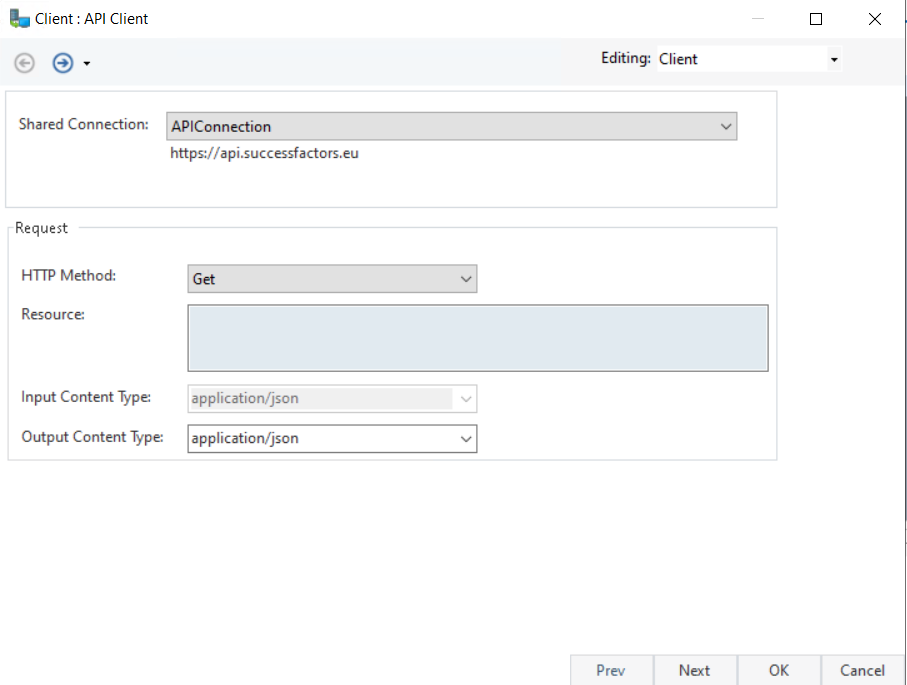
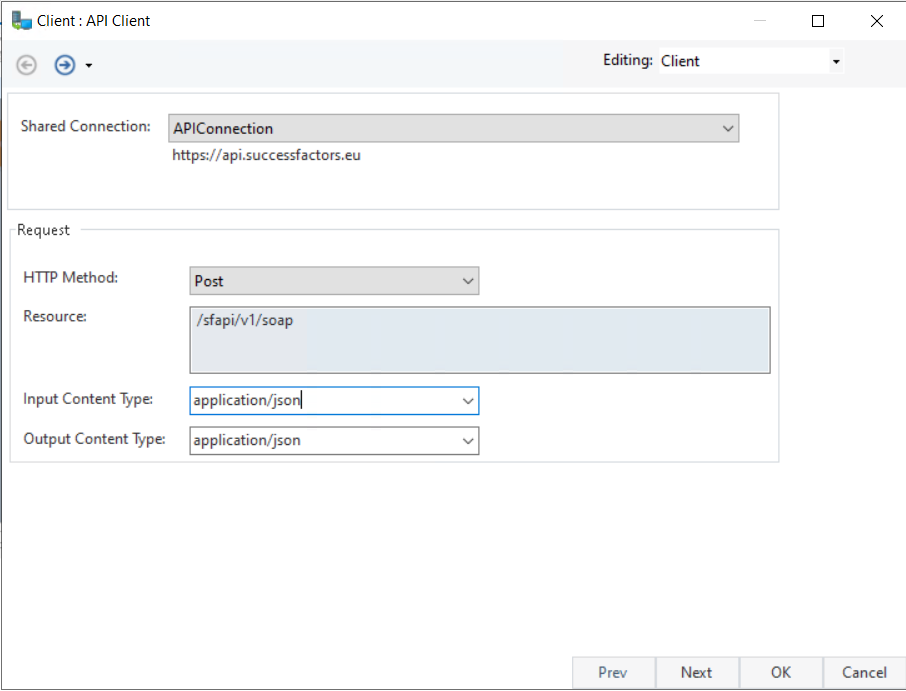
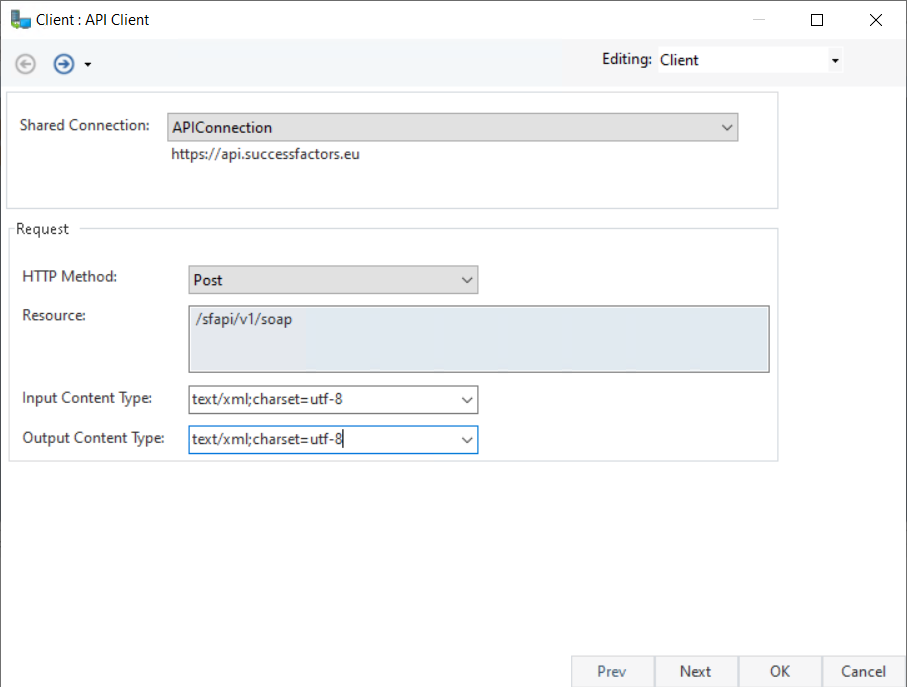
3. Next, open the properties of the *API Client* object and select the configured shared connection from the drop-down.
4. Choose the *POST* method and define the resource to be appended after the base URL.
5. To define an xml input and output, select the input and output content types as text/xml.
6. Proceed to the next screen to define any parameters.
{% hint style="info" %}
**Note:** Since SOAP (Simple Object Access Protocol) request usually does not have any parameters, we would skip this screen.
{% endhint %}
7. Click *Next* to navigate to the *Input Layout* screen.
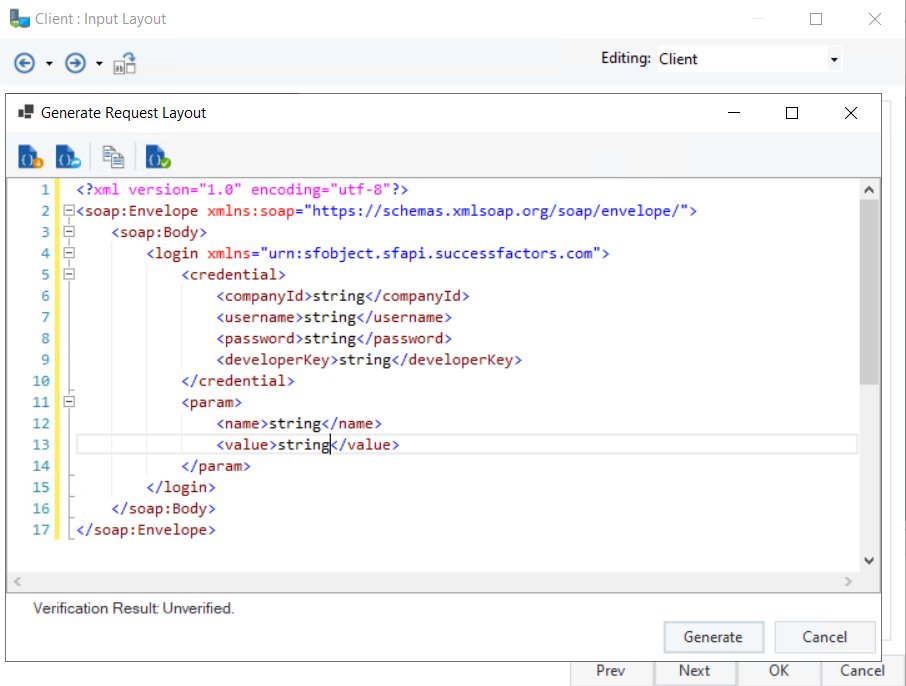
On the *Input Layout* screen click on *Generate Layout by Providing Sample Text* and supply the raw xml content to be sent in the request.
Click *Generate* to automatically create the layout for the request, allowing you to supply any default values or supply mappings from the preceding flow.
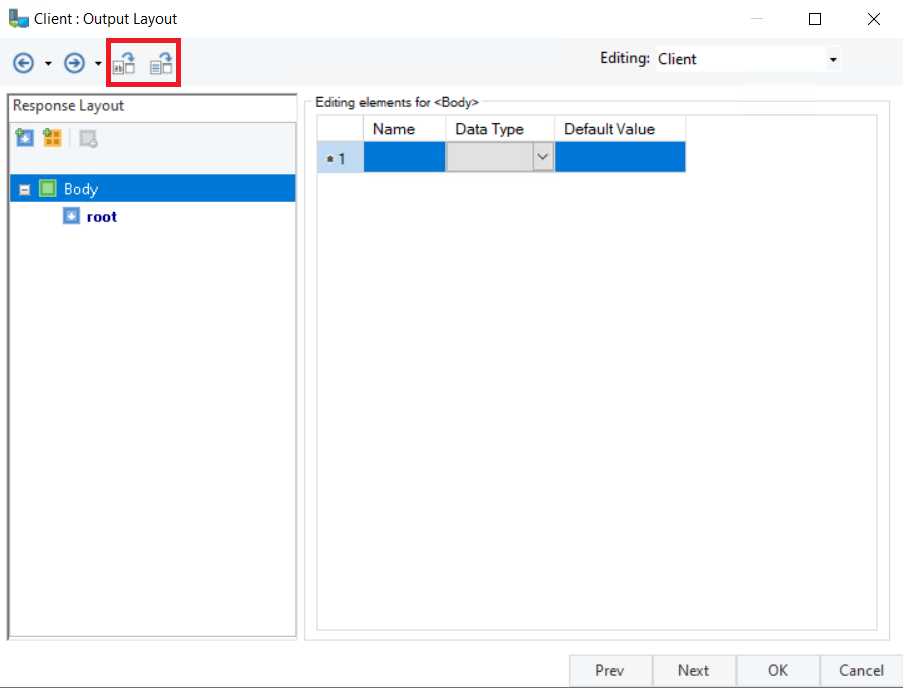
8. Click *Next* and you will be led to the *Output Layout* screen.
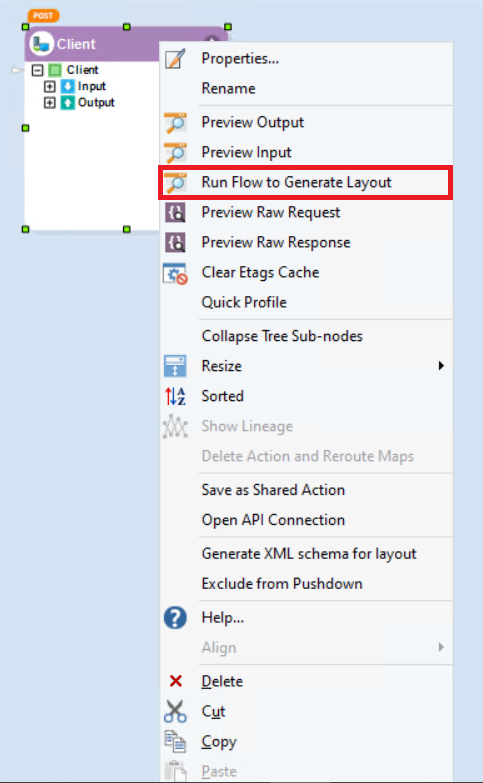
Here, there are two options to create a layout, by supplying sample text or running a request to generate the layout.
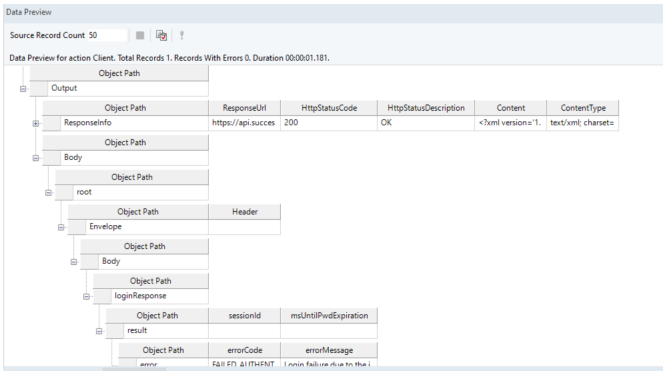
9. Right-click on the *API Client* object and select *Preview Output*.
In the *Data Preview* window, we can see the following result:
This concludes seamlessly integrating XML SOAP API requests and responses, enabling smooth data exchange and integration with APIs.
---
# Agent Instructions
This documentation is published with GitBook. GitBook is the documentation platform designed so that both humans and AI agents can read, navigate, and reason over technical content effectively. Learn more at gitbook.com.
## Querying This Documentation
If you need additional information that is not directly available in this page, you can query the documentation by asking a question.
Perform an HTTP GET request on the following URL with the `ask` and `goal` query parameters:
```
GET https://documentation.astera.com/api-flow/api-consumption/consume/support-for-text-xml-and-soap-protocol.md?ask=&goal=
```
`ask` is the immediate question: it should be specific, self-contained, and written in natural language.
`goal` is what the user is ultimately trying to achieve, the reason they need the answer. Sharing it helps GitBook give you a better, more relevant answer. A goal is most helpful when it describes the outcome the user wants rather than restating the question. For example, with `ask=how do I create an API token`, a goal like `automate deployments from our CI pipeline` lets GitBook tailor the answer to that use case.
The response will contain a direct answer to the question and relevant excerpts and sources from the documentation.
Use this mechanism when the answer is not explicitly present in the current page, you need clarification or additional context, or you want to retrieve related documentation sections.